
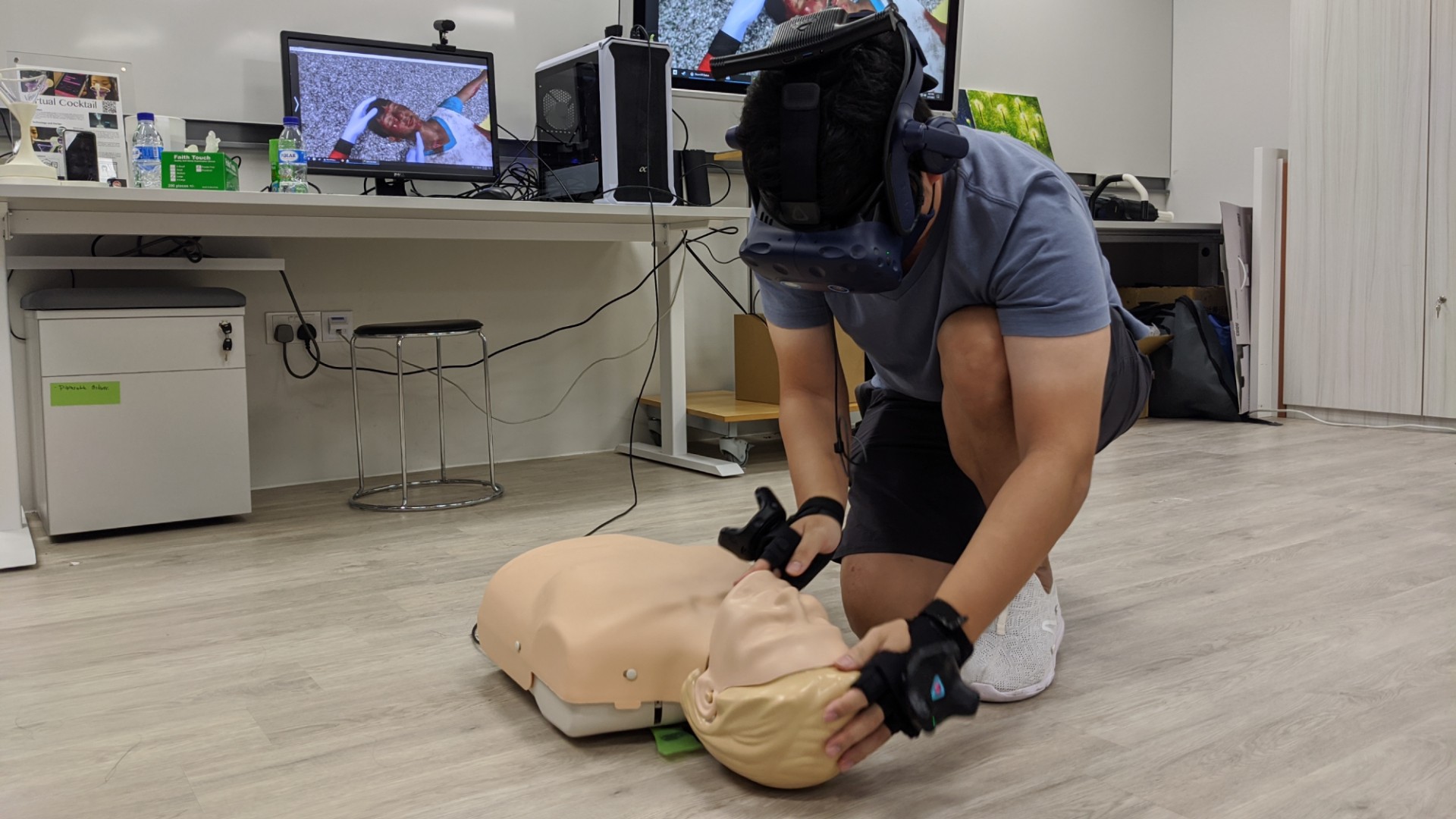
Crisis situations will always carry an element of unpredictability. What organizations and individuals can control, however, is the level of readiness they bring when the unexpected occurs. Virtual Reality or VR has emerged as one of the most effective tools for preparing people to face uncertainty. VR crisis intervention training combines realism, safety, measurable outcomes, and flexibility in ways traditional training methods often cannot achieve.
Benefits Of VR Crisis Intervention Training
Rather than relying only on manuals, presentations, or discussion-based exercises, VR crisis intervention training places participants directly inside lifelike emergency scenarios. They must respond to unfolding events, make decisions under pressure, and manage rapidly changing conditions. This transforms crisis preparation from theoretical knowledge into practical capability. It gives people the chance to experience urgency, consequence, and responsibility in a controlled environment where mistakes become lessons instead of disasters.
In industries where failure can have serious human, financial, or operational consequences, preparedness cannot remain procedural. It must be tested through repetition, experience, and proven performance. VR training helps build that level of readiness by ensuring people do not simply understand what should be done, but they can actually perform when it matters most.
Crisis management has always involved a difficult contradiction. Organizations must invest time and resources preparing for events they hope never happen. Yet when preparation is neglected, the cost can be enormous. Industrial accidents, cyber incidents, transportation disruptions, medical emergencies, workplace violence, and infrastructure breakdowns can unfold with little warning. These events often develop faster than expected and place intense pressure on the people responsible for responding.
Traditional training methods each offer value, but they also have limits. Classroom sessions are useful for teaching procedures and policies, yet they rarely replicate emotional stress. Tabletop exercises help teams discuss decisions, but participants know they are in no immediate danger. Live drills may feel more realistic, but they can be expensive, disruptive, and sometimes unsafe. Even the best conventional programs often struggle to recreate the psychological intensity of a true emergency.
VR crisis intervention training changes this dynamic by immersing participants in responsive digital environments that mirror real-world crises. Instead of imagining a fire, security threat, equipment malfunction, or evacuation scenario, trainees move through it. They hear alarms, assess visual cues, communicate with others, and decide how to act while time is limited. This level of immersion creates a stronger emotional and cognitive response, making the learning experience far more memorable.
One of the most valuable benefits of VR crisis training is how it improves decision-making under stress. During real emergencies, people may face confusion, incomplete information, competing priorities, and fear. These factors can weaken judgment and slow reaction times. VR exposes participants to these same pressures in a safe setting, helping them build mental resilience and learn to stay focused when circumstances become chaotic. The result is not simply faster reactions, but smarter ones. Trainees learn how to prioritize tasks, communicate clearly, and adapt when conditions change unexpectedly. They begin to recognize warning signs earlier and develop confidence in their ability to respond effectively. Over time, this repeated exposure can turn uncertainty into familiarity and panic into composed action.